Leadership, Morality, Spirituality, Secularism, and Cosmic Consciousness: Perspectives on Trump’s Presidency
Leadership, at its core, serves as a mirror reflecting the values and ethos of society. When we examine the lives of those in power, we uncover much about who we are collectively—our moral compass, our aspirations, and, crucially, our blind spots. Leadership is not isolated from the deep, spiritual questions that guide humanity’s evolution; it is profoundly interwoven with them.
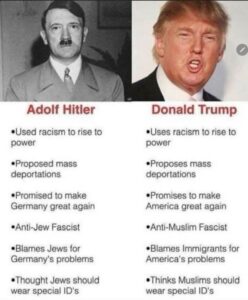
Donald Trump’s presidency, marked by controversy, turbulence, and recent criminal indictments, has become one of the most discussed leadership phenomena in modern history. For some, his tenure symbolizes unbridled ambition or pragmatism; for others, it epitomizes ethical erosion. Let’s explore Trump’s leadership through various lenses—Christian, Jewish, Hindu, Islamic, secular, and cosmic consciousness, while I attempt to provide a spiritual and philosophical framework for understanding leadership itself. I will populare this article with brief summaries at first, and then a more in-depth analysis of these perspectives.
The Christian Perspective on Leadership and Trump
Christianity emphasizes servant leadership, rooted in humility, love, and moral accountability. Jesus Christ, described as the epitome of virtuous leadership, taught his followers to serve others selflessly and uphold righteousness, even in the face of adversity. Leaders, from a Christian standpoint, are shepherds tasked with guiding their flocks with compassion and integrity.
When viewed through this lens, Trump’s leadership generates polarized discussions. Supporters often celebrate his defiance of traditional norms, viewing him as a necessary disruptor in a broken political system. Others, however, point to well-documented incidents of divisive rhetoric or alleged dishonesty as antithetical to Christ’s teachings of love for one’s neighbor.
Christian scriptures, such as Proverbs 29:2, state, “When the righteous thrive, the people rejoice; when the wicked rule, the people groan.” These words prompt questions about Trump’s ability to uplift versus divide communities. Is leadership by disruption truly aligned with the Christian virtues of peace and self-sacrifice? Or, conversely, does Trump represent a form of justice served on behalf of marginalized believers, fighting for visibility? The Christian perspective reveals the tension between accountability, forgiveness, and what it means to demonstrate virtues in the public sphere.
Jewish Views on Leadership in Light of Trump’s Presidency
Jewish philosophy places high ethical demands upon leadership. Rooted in Torah teachings, leaders are expected to uphold tzedek (justice) and emet (truth), prioritizing the collective well-being above personal ambition. Figures such as Moses and King David embody leadership as a sacred duty bound by humility and an unyielding commitment to moral law.
Applying this framework to Trump necessitates an evaluation of his alignment with these principles. His presidency brought significant divides within Jewish communities. Proponents applaud his decisions regarding Israel, such as moving the U.S. embassy to Jerusalem, which some considered an act of moral solidarity. Critics, however, underline concerns about dishonesty, inflammatory behavior, and policies perceived as discriminatory or exclusionary, which stand at odds with Judaism’s commitment to chesed—kindness and human dignity.
The Talmud warns, “Whoever flatters the wicked will eventually fall into their hands” (Sotah 41b). The Jewish perspective challenges us to critique not only the ethics of a leader’s actions but also the motivations and consequences beneath them. Trump’s leadership invites debate about balancing pragmatic accomplishments with upholding fundamental values.
Dharma, Karma, and Leadership from a Hindu Perspective
Hinduism offers profound lessons on leadership through the concepts of dharma (cosmic duty) and karma (the law of cause and effect). Leaders are called to embody their dharma selflessly, remaining detached from personal gain and acting instead for the welfare of all. The Bhagavad Gita, a seminal text in Hindu philosophy, provides a timeless narrative of Arjuna, a reluctant leader urged by Lord Krishna to fulfill his divine responsibilities with equanimity.
Judged through this prism, Trump’s presidency raises questions about the extent to which his actions align with universal dharma. His approach to leadership—characterized by assertiveness, loyalty to his base, and at times transactional decision-making—offers a sharp contrast to the virtues of detachment and collective compassion central to dharmic leadership.
Additionally, Trump’s trajectory as a leader inevitably carries karmic implications, not only for himself but for the broader society that shaped, elected, and experienced his leadership. Are we witnessing the manifestations of collective karma—patterns and decisions that have fostered distrust in conventional politics? The Hindu lens encourages deep introspection into how individual actions reverberate on a cosmic and generational scale.
Leadership According to Islamic Principles
Islamic teachings consider leadership as a sacred trust (amanah) granted by Allah, founded on principles of justice, accountability, and service to humanity. The Prophet Muhammad (peace be upon him) exemplified leadership characterized by humility, wisdom, and fairness, even toward his adversaries. Qur’anic traditions emphasize that those in power will be judged not by wealth or titles but by their ability to uplift society and remain morally steadfast.
Surah Al-Baqarah (2:286) states, “Allah does not burden a soul beyond that it can bear.” These words remind leaders of their enormous responsibility to steward fairly over the resources and lives entrusted to them. Viewed through this framework, Trump’s emphasis on deal-making and self-assertion may appear at odds with the Islamic ideal of modest, inclusive leadership.
Furthermore, Islam places a strong emphasis on fostering unity within a community (ummah), transcending divisions of race, class, or nationality. Many have critiqued Trump’s rhetoric as contradictory to this imperative, highlighting the significance of leaders being not only politically successful but also spiritually unifying. Through an Islamic lens, leadership becomes less about politics and more about ethical stewardship.
Cosmic Consciousness and the Universal Nature of Leadership
To transcend cultural and religious paradigms, we can turn to cosmic consciousness—a spiritual perspective inviting humanity to view leadership through the lens of universal interconnectedness. This philosophy teaches that great leaders are those who align their intentions with higher principles, transcending personal ambition to embody harmony, empathy, and collective progress.
Donald Trump’s presidency, rife with polarity, shines a light on the collective psyche. From a cosmic perspective, his leadership serves as a mirror reflecting humanity’s unresolved dualities—forces of inclusion versus exclusion, materialism versus spiritualism, and ego-driven ambition versus collective awakening.
Cosmic consciousness does not assign blame or praise in the traditional sense; rather, it analyzes energetic imbalances. Trump’s rise to power and subsequent controversies can be seen as ripples within a much larger wave of societal transformation. This lens asks, “How might leadership evolve to reflect a more harmonious alignment with universal truth?”
Cosmic consciousness liberates us from binary thinking. It challenges us to rethink the purpose of leadership itself, emphasizing humility, collective consciousness, and an openness to moral recalibration on a universal scale.
Rethinking Leadership in a Modern World
Leadership, morality, and cosmic consciousness converge in ways that reveal the complexity of human aspirations. From the Christian call for servant leadership to Hinduism’s emphasis on dharma and accountability under Islam’s sacred trust, a shared thread emerges—true leaders transcend ego and personal gain, serving instead as stewards of a collective good.
Donald Trump’s presidency invites us to confront uncomfortable truths about power and accountability. Yet, through diverse religious and spiritual traditions, we are given timeless models for reflection and growth.
Ultimately, cosmic consciousness provides a hopeful reminder that humanity’s evolution—and the leaders it chooses—rests on cultivating integrity, empathy, and alignment with universal principles. It poses a pivotal question for future generations to answer collectively: How can leadership mirror not just the needs of the moment, but the timeless truths that define human transcendence?
Cosmic Consciousness and the Ethics of Challenging Leadership
Leadership has long been a reflection of the moral fabric of society. How we respond to authority speaks volumes about our integrity, awareness, and collective aspirations. As humanity continues to evolve, many are looking beyond conventional lenses of power and politics, tapping into a deeper perspective—cosmic consciousness—to assess leadership, including the turbulent and now criminally inspired presidency of Donald Trump.
The exploration of cosmic consciousness and its relevance to ethical and political awareness is appropriate for our time. I’ll analyze Trump’s presidency, the moral dilemmas of leadership challenges, and how adopting a cosmic perspective might guide us toward more informed, empathetic participation in shaping our society.
Cosmic consciousness is an elevated state of awareness—a realization that we are interconnected with the universe and the divine. It invites introspection, humility, and the recognition that our actions ripple far beyond ourselves. This perspective urges us to rise above individual biases, societal divisions, and temporal grievances, focusing instead on universal truths and the moral evolution of humanity.
When we apply cosmic consciousness to political matters, it transforms them from mere power struggles into opportunities for moral and spiritual growth. It encourages us to scrutinize leaders—like Donald Trump—not only for what they stand for but also for how they shape us as individuals and communities.
Donald Trump’s presidency represents one of the most polarizing and contentious periods in recent American history. From his attempted coup and insurrection attempts in 2020 to policies on immigration and climate change to allegations of corruption and impeachments, his leadership style has sparked fervent devotion and fierce opposition alike.
Trump’s brash rhetoric, criminality and lawlessness, dismissal of political norms, and emphasis on nationalism have raised questions about the ethical limits of power. Many supported him as a disruptor of the political establishment, while others condemned his actions as divisive, lawless, morally questionable, and harmful to democratic principles.
While supporters lauded his ability to “speak the truth” without reservation, critics challenged the ethical underpinnings of his policies, including his separation of families at the U.S.-Mexico border, and his post-2020 election rhetoric, which culminated in the January 6 Capitol riots.
But here’s the question cosmic consciousness invites us to consider: Do we view Trump’s polarizing leadership in isolation, or can we take a broader perspective to uncover deeper truths about society, morality, and ourselves?
Opposing or supporting a leader goes beyond political allegiance—it reflects core moral beliefs. Biblical principles often guide many Christians in evaluating leadership, with passages like Proverbs 29:2—“When the righteous are in authority, the people rejoice; but when the wicked rule, the people groan”—calling attention to the ethical weight of governance.
For some, challenging a law-breaking leader, such as Trump, is a moral imperative. They argue that justice, accountability, and compassion must outweigh tribal loyalty. Others, however, believe in forgiveness and extending grace, even to those who fail to meet ethical or legal standards, seeing such actions as divine acts of faith.
While both arguments are rooted in moral principles, cosmic consciousness invites us to go further by asking, “What kind of leadership reflects humanity’s higher calling?” Is leadership a transactional role built on results and utility, or is it a sacred trust requiring transparency, empathy, and service to all?
From a cosmic perspective, leadership transcends policies and soundbites. It becomes an expression of collective values, a mirror reflecting the shared consciousness of a community. Leaders do not exist independently—they arise from the cultural, social, and spiritual energy of the people they govern.
Challenging a president like Trump, therefore, is not merely a rebellion against an individual. It’s about grappling with what his presidency reveals about our societal values, unity, and willingness to confront uncomfortable truths. A cosmic perspective encourages us to ask tough questions, such as:
- How does Trump’s leadership reflect the collective consciousness of America?
- What fears, desires, or unresolved struggles might his presidency bring to the surface for us as a society?
- Most importantly, how can we, as citizens, evolve to demand leadership that embodies higher ethical principles and accountability?
These questions break free from the dichotomy of support versus opposition and push us to see the interconnectedness of all participants in the political arena. Cosmic consciousness reminds us that positive transformation is not achieved through animosity but through understanding and a commitment to unity.
If Trump’s presidency has exposed societal fractures, then these cracks serve as opportunities to rebuild. It is incumbent upon concerned citizens, spiritually evolving beings, and political observers to engage in informed, empathetic conversations, breaking down the barriers of ignorance and partisanship.
Here are three steps to engage more meaningfully with ethical leadership:
- Educate Yourself: Understand not only the policies and actions of leaders but their broader implications. Study the societal values they reflect and their alignment with spiritual principles.
- Encourage Accountability: Advocate for transparency and honesty in leadership. Support institutions and mechanisms that hold leaders accountable without descending into vilification.
- Promote Unity and Healing: Instead of dwelling on divisions, pursue initiatives that foster dialogue, rebuild trust, and emphasize shared goals over political rivalries.
The lens of cosmic consciousness teaches us that civic engagement is not merely about voting or activism—it is a spiritual practice. By challenging ourselves to lead more ethical, informed lives, we raise the standard we hold for others, including our leaders.
Leadership, at its core, is a reflection of humanity’s ethical aspirations. Whether you celebrate Trump as a revolutionary figure or criticize his tenure as deeply flawed, the cosmic perspective reminds us that every leader has profound spiritual significance. They challenge us to confront who we are, what we value, and how we can collectively rise to be better.
It is not enough to support or condemn—it is crucial to engage in ongoing ethical reflections about the type of society we desire to create. When we do so, we align ourselves with cosmic consciousness and the higher moral compass that binds us all.
What kind of leadership do you believe reflects humanity’s highest potential?
Is It Spiritually Appropriate to Challenge a Law-Breaking President?
The tension between faith, morality, and politics has long been a subject of deep debate. When faced with a president who disregards the rule of law, many wonder whether speaking out aligns with spiritual principles—or betrays them. For concerned citizens, faithful Christians, and political observers alike, this question probes not only the movements of justice but also the complexities of spiritual integrity.
I have approached the subject of challenging a criminally motivater President Trump from several points of view. There is a nuanced relationship between faith and/or spirituality and accountability. By examining spiritual integrity, biblical teachings, historical case studies, and practical guidance, I aim to provide a thoughtful roadmap for those grappling with how to respond to leadership failures in a way that’s both spiritually sound and morally courageous, at least from a Christian perspective.
Spiritual integrity is the compass of our faith life—it’s the alignment between one’s spiritual beliefs and daily actions. It rejects hypocrisy and champions the pursuit of truth, justice, and moral righteousness in all aspects of life. For Christians, spiritual integrity is deeply tied to the example of Christ, who lived with unwavering dedication to divine principles, even in the face of societal and governmental opposition.
When considering whether to challenge a law-breaking president, we must first scrutinize how such action reflects or disrupts spiritual integrity. Does silence condone injustice? Does speaking out compromise humility or respect for God-ordained leadership? Striking this balance is critical to ensuring that our response not only upholds our morality but resonates with divine teachings.
The Bible offers a rich tapestry of guidance regarding the relationship between citizens and their leaders. On one hand, passages like Romans 13:1-2 command respect for authority, asserting, “Let everyone be subject to the governing authorities, for there is no authority except that which God has established.” This perspective calls believers to submit to lawful governance as an act of faith in God’s sovereignty.
However, the Bible also includes directives to act against injustice. Prophets such as Isaiah and Amos consistently challenged the corrupt rulers of their time, calling out oppression and immorality. Micah 6:8 distills this balance succinctly, urging believers to “act justly, love mercy, and walk humbly with your God.”
One striking example is found in Acts 5:29, when Peter and the apostles proclaim, “We must obey God rather than human beings.” These words came in defiance of religious authorities commanding them to cease preaching about Christ. Their actions serve as a reminder that obedience to God’s will supersedes allegiance to flawed human systems.
The Bible, then, does not ask Christians to follow authority blindly. Instead, it opens a dialogue between respect for ordained leadership and the duty to advocate for justice and truth.
History is rich with examples of individuals who blended moral conviction with lawful defiance. These figures—both religious and secular—offer critical lessons for us when grappling with leadership failures.
Dietrich Bonhoeffer
A German pastor and theologian during World War II, Dietrich Bonhoeffer became a vocal opponent of Adolf Hitler’s regime. Rooted in his Christian faith, Bonhoeffer believed it was his spiritual duty to resist tyranny and protect the vulnerable. Despite personal risk, he worked to undermine Nazi policies, ultimately sacrificing his life for his principles. His legacy reminds us that spiritual integrity sometimes requires civil disobedience in the face of moral catastrophe.
Martin Luther King Jr.
Grounded in his Christian beliefs, Martin Luther King Jr. also challenged leadership—but through peaceful protest and civil dialogue. King respected authority but held it accountable when its laws and policies clashed with divine principles of equality and justice. His leadership in the Civil Rights Movement demonstrated how respectful resistance could transform societal systems and hearts alike.
Other Examples
Similarly, figures like Mahatma Gandhi, Harriet Tubman, and even biblical leaders such as Moses and Esther demonstrated that addressing injustice often requires stepping into uncomfortable spaces of defiance, rooted in love for humanity and a higher power.
It’s tempting to see respect for leadership and resistance to injustice as mutually exclusive paths. However, the two can—and should—coexist in faithful action. Here’s how:
- Acknowledge God’s Sovereignty: No leader is beyond God’s authority. An essential part of respectful resistance is trusting that justice ultimately rests in His hands, even as we work toward it here on Earth.
- Avoid Personal Attacks: Challenge actions, not individuals. Criticism rooted in respect and evidence will carry more weight—and integrity—than inflammatory rhetoric.
- Prayer and Discernment: Pray for divine guidance to ensure your actions reflect God’s will, not personal agendas.
- Seek Dialogue First: Whenever possible, engage in discourse instead of outright confrontation. Aim to explain your concerns constructively.
- Focus on Principles over Politics: Resist making your actions about political ideologies. Frame your stance within universal ethical and spiritual values.
When facing a law-breaking leader, translating faith-based convictions into concrete action can feel daunting. Here’s how to proceed thoughtfully:
- Educate Yourself: Seek clarity about the alleged violations and their implications. Avoid acting or speaking based on incomplete or biased information.
- Mobilize Your Community: Join faith-based or civic organizations that advocate for justice. Acting collectively amplifies impact and demonstrates unity.
- Engage Through Established Channels: Voice concerns through petitions, letters to representatives, or public forums. Staying within the boundaries of lawful action aligns with both spiritual integrity and societal principles.
- Hold to Firm Standards: Resist the temptation to mirror the unethical behavior you oppose—whether that’s dishonesty, divisiveness, or disrespect.
- Pray for Wisdom and Justice: Beyond activism, intercessory prayer is a powerful tool for seeking divine intervention and clarity.
- Take Peaceful Action: Whether through marches, peaceful protests, or symbolic gestures, non-violent expressions of resistance honor both spiritual values and societal norms.
Challenging a law-breaking president or any authority figure requires courage, wisdom, and, most importantly, spiritual integrity. To act justly while respecting the roles leadership occupies is no small task. Yet history, Scripture, and conscience affirm that standing against injustice is not only appropriate—it is often necessary.

Your approach will reflect your values and shape the impact of your actions. Whether by speaking up, mobilizing others, or simply holding fast to truth, you embody the delicate dance between respect and accountability.
If this resonates with you, perhaps it’s time to reflect on how God’s teachings can inspire your response to today’s complex challenges. Begin by seeking biblical wisdom, learning from history, and staying rooted in love as you engage in meaningful action.
Challenging a Law-Breaking President Through the Lens of Jewish Faith
What is the role of faith in the face of political power? For the Jewish community, this question is particularly poignant when considering the propriety of challenging a leader who has broken the law—in this instance, Donald Trump, 45th President of the United States. While the political realm often feels distinct from spiritual teachings, Jewish ethics are profoundly intertwined with principles of justice and morality.
There are many Jewish teachings on justice, historical examples of resistance, and contemporary interpretations can illuminate the question of confronting systemic injustice, even when wielded by those in power.
Justice is the foundation upon which Jewish teachings rest. “Tzedek, tzedek tirdof”—”Justice, justice shall you pursue”—rings loud in Deuteronomy (16:20), declaring not just a preference for justice but a mandate to actively seek it. The repetition is a call to vigilance, emphasizing the importance of both just goals and just methods.
The Torah and Talmud repeatedly promote a vision of leadership steeped in responsibility, truth, and fairness. Leaders are cautioned against corruption and exploitation. Exodus (23:8) warns, “Do not accept a bribe, for a bribe blinds those who see and twists the words of the righteous.” This stark imagery demonstrates God’s disdain for any distortion of justice. Leaders, according to Jewish thought, serve not only as political entities but also as stewards of ethical and equitable governance. Power, without morality, becomes an affront to God’s vision for human communities.
The idea that leadership must remain accountable is further reinforced by the concept of “chesed u’gevurah” (kindness and strength). A ruler must balance compassion with discipline, ensuring systems that allow for the flourishing of all citizens, not merely the powerful few.
Throughout history, Jewish tradition provides examples of resistance against tyranny rooted in faith. One of the most prominent is the story of the prophet Nathan challenging King David in 2 Samuel 12. After King David abuses his power to cause the death of Uriah and claim Bathsheba, Nathan publicly condemns him. Despite David’s absolute authority, Nathan’s moral denunciation upholds a principle of accountability to divine and ethical law that transcends earthly power.
Centuries later, during the era of the Maccabees, the Jewish resistance was crucial against Greek oppression, demonstrating the integration of faith and civic action. Particularly striking in these stories is the notion that leadership is not immune to scrutiny; whether divine or secular, power must be wielded justly, or it risks dismantling the moral fabric of society.
Similar threads are seen in modern Jewish resistance. During the Holocaust, figures like Rabbi Leo Baeck advocated for ethical defiance wherever possible. Though under unimaginable duress, these leaders articulated a responsibility to call out injustice and preserve human dignity, even when faced by authoritarian regimes.
Given such a legacy, how do these principles resonate today in the context of President Trump, who faces allegations of lawbreaking and misconduct? Jewish teachings compel us to assess leadership based on ethical conduct. If allegations of perverting justice hold weight, the imperative to challenge becomes urgent. Failure to do so not only enables further harm but diminishes the trust upon which democracy is built.
However, Jewish wisdom also warns against acting purely out of partisan fervor. Challenges must align with the same standard of justice we demand from others. Maimonides emphasizes the importance of preserving dignity even in criticism, ensuring our actions reflect constructive intent rather than divisive retribution.
Certain Jewish thinkers argue that holding a leader accountable may preserve integrity, not just for them but for the system they represent. Rabbi Lord Jonathan Sacks, of blessed memory, once said that the role of faith is “to be a voice of hope in the conversation of humankind.” This aspiration calls for bold truthfulness grounded in hope for ethical leadership, even if that voice must clash with systems of power.
It is worth noting that the global Jewish community is far from homogenous. For some, confronting Trump’s alleged misconduct aligns with their moral identity as Jews. They find echoes of prophetic critique in efforts to challenge leadership when it deviates from justice.
Others view Trump’s actions differently, perhaps emphasizing policies they believe benefit Jewish communities or supporting him as part of a broader ideological alignment. This diversity of thought should not be dismissed or simplified—it reflects the dynamic nature of Jewish discourse, where dissent and dialogue are core to truth-seeking.
Still others grapple with the tension between religious values and political pragmatism, questioning how best to embody justice in an imperfect world. Should one prioritize upholding legal accountability, or should one focus on advancing perceived national interests, even under morally ambiguous leadership?
Jewish tradition does not permit passive observation in the face of injustice. The Talmud (Shabbat 54b) teaches that one who has the ability to protest against wrongdoing but chooses not to shares in the guilt of the perpetrator. This is a fierce call to informed action.
Challenging a leader, particularly one who commands significant loyalty, requires courage, wisdom, and faith not only in the moral principles that guide the Jewish tradition but also in the shared humanity that underpins our society.
- Become informed on issues of lawbreaking and their societal consequences. Engage with reliable, diverse sources to shape a holistic view.
- Seek dialogue with others in your community, particularly those with differing opinions, remaining open to exchange and growth.
- Take ethical action through civic participation by supporting candidates, initiatives, or organizations that prioritize integrity and justice.
Whether through voting, advocacy, or dialogue, the imperative remains clear: doing nothing is not a neutral position when justice is at stake.
Challenging unjust power is neither simple nor comfortable, yet it resonates deeply with Jewish teachings that emphasize justice, ethical leadership, and the courage to confront wrongdoing. Stories like Nathan and King David, and movements like the Maccabees, remind us that silence in the face of immorality is a betrayal of faith’s highest values.
Today, as concerned citizens and individuals rooted in moral traditions, we have a responsibility not only to critique flawed systems but to yourself, and contribute to conversations that promote truth and justice. Together, we can ensure that accountability and hope remain cornerstones of leadership.
Buddhism, Ethics, and the Challenge of Power in Leadership~~Setting the Stage: The Intersection of Buddhism, Ethics, and Politics
The role of ethics in governance has rarely felt so urgent. Whether you’re a devout Buddhist practitioner or a concerned citizen, recent events—particularly the controversies surrounding former President Donald Trump—pose questions for all of us. How should we, as individuals guided by moral and ethical principles, respond to leadership that appears to falter in its accountability?
From a Buddhist perspective, this is no trivial matter. Buddhism offers teachings on compassion, justice, and the responsibility of confronting wrongdoing, particularly when power is wielded irresponsibly. This article asks a complex but critical question: How does the Buddhist tradition inform our response to a law-breaking political leader?
Drawing from centuries-old teachings and historical precedents, we’ll explore the tension between compassion and accountability. Along the way, we’ll consider how non-violent resistance and civic engagement align with Buddhist principles—and the lessons we might learn in challenging unjust systems.
At the heart of Buddhism lie teachings that offer guidance for personal conduct and societal wellbeing. These principles are not confined to monasteries or meditation mats—they are a lens through which one can see all aspects of life, including politics.
Core Teachings to Consider
- Compassion (Karuna): The capacity to deeply care for others and wish for their suffering to end.
- Non-violence (Ahimsa): A commitment to avoid harm in thought, speech, and action.
- Wisdom (Prajna): The discernment to see events and actions as they truly are, rooted in understanding and clarity.
- Interconnectedness: The understanding that no being exists independently from others; a leader’s actions ripple across society.
Buddhism emphasizes ethical action, not as rigid rules but as practices that arise from mindfulness and compassion. Ethical virtues are not limited to personal improvement—they extend to how we engage with structures of power and authority.
To determine the intersection of Buddhist ethics with politics, it’s necessary to examine the actions of the leader in question. Donald Trump’s first presidency, and his conduct since leaving office in 2021, and his return to power in 2025., has sparked countless controversies and allegations involving potential and actual violations of the rule of law.
Among these are claims of obstruction of justice, incitement of violence, and disregard for foundational principles of governance. The January 6 Capitol riots, for instance, brought the dangers of unchecked rhetoric and divisive leadership into sharp focus.
Buddhist principles do not demand blind reproach nor passive acceptance. They call for discernment. Are actions undermining justice and societal harmony? And if so, how can we respond while upholding values of wisdom and compassion?
Buddhist teachings provide significant insights into leadership. Ethical leadership is defined not by domination but by service, humility, and responsibility to others.
Buddhism often refers to the Ten Royal Virtues, a set of qualities an ideal leader should embody. These include generosity, morality, non-anger, self-control, patience, and righteousness. Leaders are stewards of society, tasked with upholding fairness and prioritizing collective well-being.
A leader who abuses power or abandons accountability betrays this stewardship. Trump’s actions invite us to reflect—how far have we veered from this ideal? And what responsibilities lie with citizens when faced with leaders who reject these principles?
One might ask, “Is it Buddhist to challenge someone? To call out their actions or demand justice?” These questions encapsulate a perceived tension in Buddhist practice—the balance between compassion and accountability.
Compassion in Buddhism is not equivalent to permissiveness. It’s possible to hold leaders accountable while offering them compassion, wishing for their awakening, and recognizing their inherent humanity.
Consider this analogy from the Dalai Lama. When someone violates moral principles, your motivation for addressing their actions can—indeed, must—stem from a desire to prevent further harm, not from hatred. True compassion aligns with justice, for justice seeks the restoration of harmony.

For Trump, this might look like seeking a fair, impartial legal process. Accountability isn’t retribution; it’s an act of care for society as a whole. Holding power accountable honors the people affected by injustice, showing compassion for the collective.
Buddhism has a rich tradition of non-violent resistance, pairing ethical principles with action to challenge systems of injustice.
Figures like Mahatma Gandhi and Martin Luther King Jr. drew deeply from Buddhist values in advocating non-violent resistance. Political resistance needn’t devolve into animosity or chaos—it can manifest through dialogue, education, and organized efforts for systemic change.
For instance, challenging leadership like Trump’s might involve supporting whistleblowers, participating in civic discussions, or engaging in peaceful protests. Buddhism underscores not only the act of resistance but the intention behind it—purity of motive is paramount.
Buddhism emphasizes the interconnectedness of all beings. Just as a leader’s misconduct impacts everyone, so does collective action shape the path forward. Advocacy for ethical governance is simultaneously an individual and societal duty.
Ethical leadership isn’t just for politicians—it’s for us, the voters, the advocates, the community builders. Buddhist tradition prompts us to act skillfully and mindfully in preserving justice and balance.
Ways to Engage
- Stay Educated: Understand the issues and their implications, drawing wisdom from reliable sources.
- Foster Dialogue: Engage in empathetic, open-ended conversations, even with those who hold opposing views.
- Support Ethical Leaders: Advocate for and elevate voices that embody principles of justice, compassion, and equality.
- Get Involved: From voting to volunteering, civic engagement is a vital avenue for positive change.
Our actions, like drops in an ocean, may seem small. But remember—the ocean is moved by countless drops.
The intersection of Buddhism, ethics, and politics invites deep reflection not only about our leaders but about ourselves. How do we balance compassion with accountability? How do we embody wisdom in calling out injustice?
Leaders, Buddhist or otherwise, have a responsibility to safeguard justice. And societies, guided by ethical principles, have a duty to hold them accountable. By doing so mindfully and compassionately, we can honor the teachings of Buddhist values while fostering a more harmonious, just world.
To all concerned citizens, ethical leaders, and justice advocates—your actions matter. How will you move forward?
Hinduism, Ethics, and the Challenge of Power in Leadership
How do we lead ethically in a world filled with complex dilemmas? What responsibilities do individuals in power carry, not just to their constituents but to the values that make us human? These are not new questions. They’ve stirred the hearts and minds of thinkers for millennia—and resonate just as deeply today.
With global politics riddled with controversies and leadership crises, reflecting on moral guidance becomes urgent. Hindu ethics, particularly those articulated in sacred texts like the Bhagavad Gita, offer profound insights into the challenges of power, decision-making, and leadership. This blog explores the intersection of Hinduism, ethics, and modern governance, using ancient wisdom to illuminate a path forward in today’s chaotic world.
At the heart of Hinduism lies a rich tapestry of ethical principles that guide the individual’s relationship with the self, society, and the cosmos. These principles are not confined to religious practice—they offer frameworks to address every aspect of human action, including leadership.
Perhaps the most foundational concept in Hindu thought is Dharma. Translating imperfectly to “duty” or “righteousness,” it encompasses a way of living that is aligned with universal order. For leaders, Dharma serves as a reminder that true leadership is about serving the collective good, even when personal or political complexities make this challenging. Leaders guided by Dharma seek harmony between their personal objectives and the greater needs of the world.
While most famously associated with Mahatma Gandhi’s philosophy, Ahimsa is a deeply ingrained value in Hinduism that calls for nonviolence—not just in action, but in thought and intention. For leaders, this principle demands the courage to resolve conflicts with wisdom and compassion rather than force. Ahimsa challenges us to find solutions that do not harm others, even in the most contentious disputes.
Satya, or truthfulness, extends beyond mere honesty; it embodies a commitment to authenticity and integrity. Leaders who adopt Satya as a guiding principle are transparent in their actions and accountable to their people. This principle contrasts starkly with modern instances of misinformation and political manipulation.
The law of Karma—that every action bears fruit—reminds leaders of the enduring impact of their decisions. While the outcomes of power and governance may seem immediate, Karma teaches the importance of thinking beyond the moment. Ethical leadership often involves making decisions whose rewards may not be visible today but will benefit future generations.
The Bhagavad Gita: A Timeless Guide to Ethical Action
Few texts explore ethical leadership as profoundly as the Bhagavad Gita. Set against the dramatic context of impending war, this ancient scripture is a dialogue between the warrior prince Arjuna and the deity Krishna. The Gita’s lessons on duty, responsibility, and ethics continue to resonate for modern leaders.
Arjuna, the protagonist of the Gita, finds himself paralyzed at a critical juncture. Positioned on a battlefield, he faces the harrowing prospect of fighting against family and loved ones. His crisis is not just personal—it is ethical. How can one wield power responsibly when every choice entails suffering?
This dilemma transcends its mythic context. Today’s leaders often face comparable challenges when their decisions impact stakeholders with competing interests.
Krishna’s counsel in the Gita is rich with lessons for navigating ethical complexities:
- Detach from the Ego: Krishna advises Arjuna to perform his Dharma—his duty as a warrior—without attachment to personal success or failure. Leaders today can learn the value of acting in accordance with principles rather than being driven solely by ambition or fear of criticism.
- Prioritize the Greater Good: The Gita underscores the importance of aligning personal actions with collective well-being. For leaders, this means setting aside personal gain in favor of ethical decision-making that benefits society at large.
- Balanced Decision-Making: Krishna advocates for a state of balance, cautioning against impulsivity or inaction. Ethical leadership requires this equilibrium—a willingness to pause, reflect, and make considered choices even in high-pressure scenarios.
Consider instances where leaders, faced with profound moral dilemmas, draw upon ethical principles to guide their actions. During moments of global crisis—be it climate change or economic inequality—leaders who embody the wisdom of the Gita demonstrate the courage to stand firmly by their values rather than succumbing to political expediency.
Case Studies: Ethical Dilemmas in Leadership
Mahatma Gandhi’s leadership during India’s independence movement exemplifies the enduring relevance of Ahimsa and Satya. He wielded power not through force but through moral authority, leveraging truth and nonviolence to inspire mass action. Gandhi’s adherence to these principles underlined the possibility of ethical leadership even in the face of systemic oppression.
More recently, controversies surrounding Donald Trump’s leadership raise vital questions about the role of ethics in governance. From the handling of public crises to the spread of misinformation, his actions have prompted polarized discussions about truth, duty, and accountability in leadership. Reflecting on these controversies through a Hindu ethical lens emphasizes the dangers of disregarding principles like Satya and Karma in positions of power.
Ethical leadership, as inspired by Hindu principles, is not just an abstract ideal—it’s a practical imperative. Here’s how leaders today can integrate these timeless lessons into their own practices:
- Define Your Principles
Clarify a set of values that guide your decision-making and communicate them transparently to your team or constituents. Without a defined ethical framework, leadership risks becoming reactive or opportunistic.
- Foster Diversity and Collaboration
The Hindu emphasis on interconnectedness encourages leaders to seek diverse perspectives. True ethical leadership is built through cooperation across divides—be they cultural, generational, or ideological.
- Commit to Lifelong Learning
The dynamic nature of Karma reminds us that learning never ends. Leaders must consistently seek new knowledge and adapt their strategies to ensure they align with evolving ethical standards.
- Lead by Example
Ultimately, a commitment to ethical leadership is demonstrated through action, not words. Model behaviors you wish to see in others—honesty, humility, and accountability—to create authentic and lasting influence.
Leadership has always been fraught with challenges, but in today’s world of rapid change and intensifying scrutiny, ethical accountability is no longer optional—it’s essential. Drawing from the profound principles of Hindu philosophy and the timeless wisdom of the Bhagavad Gita, leaders at every level can find guidance for navigating the complexities of power, decision-making, and responsibility.
As individuals, we too have a role to play. By holding our leaders accountable to these ethical markers, we contribute to a culture where power is tempered by morality and leadership serves as a force for collective good. This is not a call for perfection—it is a call for progress, grounded in the enduring principles of righteousness, truth, and compassion.
Whether you’re a seasoned leader or an ethics enthusiast, the insights shared here are just a starting point. Keep questioning, keep reflecting, and above all, keep striving toward the noble pursuit of ethical leadership.
Rethinking Leadership: A Secular Perspective on Morality, Power, and Progress~~Leadership Redefined
Leadership has always been a mirror, reflecting the moral fabric and collective values of society. From feudal kings to modern CEOs, how authority is wielded—and how we respond to it—has forever shaped civilization’s trajectory. But as humanity navigates an increasingly interconnected and complex era, it’s worth asking whether our traditional lens for evaluating leadership remains adequate.
Consider the era of Donald Trump, whose presidency disrupted conventional paradigms, tested ethical boundaries, and polarized an entire nation. His leadership style acted as a litmus test, questioning how far a leader can stretch societal norms before they snap. Viewed from a secular or atheistic perspective, it compels an even deeper question about leadership itself—not through the lens of divine guidance or institutional hierarchy, but through reason, ethics, and collective consciousness.
This post seeks not to vilify or venerate Trump but to review leadership through a secular lens, challenging how we define moral authority in the absence of religious influence. How should someone grounded in critical thinking, evidence, and empathy assess leadership? And what does secular leadership reveal about the broader evolution of authority and morality in society?
Historically, leadership has leaned on power, hierarchy, and control. Kings and emperors wielded absolute authority, rooted in the belief that their legitimacy was divinely ordained or mandated by the state. For centuries, this approach extended into politics, business, and even community dynamics, favoring strongmen over collaboration.
This traditional model tells a story of top-down authority where dissent is suppressed, ethical inquiry is minimal, and the “ends justify the means” mentality often dominates. Leaders who operated within this paradigm might achieve results, but they rarely fostered trust, compassion, or respect—a transactional relationship that has repeatedly failed when scaled to meet the nuanced needs of modern society.
Today’s society, however, increasingly values multidirectional, conscious leadership—a style emphasizing ethics, empathy, and service over control. Leaders like Jacinda Ardern (former Prime Minister of New Zealand) and corporate figures such as Howard Schultz (former CEO of Starbucks) embody this shift, driving their decisions with collaboration and compassion. These leaders reflect an emerging accountability to collective well-being rather than individual power.
For secular thinkers, this shift mirrors intrinsic humanistic values. The modern leader, ideally, becomes less of a solitary shepherd and more of a participant in collective growth—a reflection of societal consciousness evolving beyond archaic systems of fear-based dominance.
The true test of leadership is its alignment with the moral fabric of the society it represents. What a civilization tolerates in its leaders broadcasts its collective aspirations and ethical standards to the world.
Consider an essential question of ethics in leadership from a secular and atheistic perspective. When divine accountability is removed, what motivates morality in leadership? The answer lies in reason, empathy, and a recognition of shared humanity. Leadership steeped in ethical thinking refuses to exploit power; instead, it seeks to uplift, guide, and unite.
Leadership, at its worst, perpetuates division and manipulation for selfish gains. When leaders contribute to xenophobia, erode the independence of institutions, or enable systemic inequities, it signals a society willing to abandon self-awareness for convenience—key critiques of Donald Trump’s leadership.
Few leadership paradigms invite as much scrutiny as Donald Trump’s presidency. Over four years, Trump reshaped the concept of American leadership not just politically, but ethically.
At its surface, Trump’s leadership attracted the admiration of those who equated decisiveness, unpredictability, and charisma with effective control. However, from a secular perspective—anchored in logic, accountability, and evidence-based outcomes—several ethical questions arise:
- Truth and Transparency: A leader’s obligation to the honest communication of facts is paramount. Trump’s frequent clashes with objective truth, such as minimizing data surrounding the COVID-19 pandemic, harmed public trust.
- Ethical Responsibility: The insurrection on January 6, 2021, following Trump’s rhetoric, underscores the dangers of manipulative leadership.
- Impact on Society: Policy choices such as the family separation immigration policy forced a secular reevaluation of ethics in governance, spotlighting the ripple effects of leadership void of empathy.
It’s this harsh polarization of American ethics, visible in Trump’s time, that challenges secular thinkers to ask deeper questions about what we demand from leaders.
For secular advocates, Trump’s presidency is less about the man and more about the societal ethics his leadership exposed. A significant takeaway? Democracies rely not on their leaders alone but on the informed ethical engagement of their citizens.
The Secular Blueprint for Leadership Evaluation
1. Reason and Evidence-Based Decision-Making
Secular perspectives prioritize pragmatism and logic over ideology. When evaluating a leader, focus on how well their decisions are informed by factual analysis, data, and expert advice. Did the leader act in the interests of long-term stability, or were decisions rooted in dogma or personal gain?
2. Empathy and Compassion
Though atheistic perspectives reject divine morality, they do not reject moral grounding. A secular moral system values humanity for its own sake. Ethical leadership—absent external divine commands—emphasizes compassion, shared understanding, and social responsibility.
3. Social Responsibility Beyond Partisanship
A leader’s worth must extend beyond their ability to generate immediate success. Did their actions strengthen society’s fundamental systems—healthcare, education, safety, and opportunity—for the next generation?
Leadership is ultimately an exercise in collective consciousness. A leader is not merely a navigator of policies but a steward of ethical energy. Leaders who develop heightened awareness of their community’s needs—through listening, reflection, and engagement—lead not only with intention but with better outcomes.
Secular leadership complements this by detaching ego and relying on mindful strategies. It prioritizes inclusivity and promotes values that do not divide but resonate across humanity, leading to wider societal harmony.
Leadership shapes the world we inherit—and ethical leadership, rooted in secular principles, is essential for building a just and sustainable future.
Practical Steps Toward Ethical Leadership:
- Hold leaders accountable with facts, not feelings; demand transparency.
- Engage in ongoing civic participation—silence allows unethical governance to flourish.
- Foster personal leadership skills, even in small circles, to inspire change locally.
- Empower future leaders with mentorship, ethical training, and awareness of collective responsibility.
Above all, remember that ethical leadership is the reflection of the society it serves. The leaders we elevate mirror the moral aspirations—or compromises—of the collective people they guide.
Leadership, when stripped of divine mandates, reveals its purest form—an instrument for progress and unity. No longer burdened by dogmatic adherence, leadership becomes about shared human growth informed by reason, compassion, and a desire to elevate collective well-being.
For secularists and critical thinkers, the responsibility is clear—demand more from your leaders. Expect awareness, evidence-based action, and empathy. Reflect on the qualities you celebrate in your leaders, and consider what values you want reflected in our legacy.
If these ideas resonate with you, do three things today:
- Share this blog to engage others in rethinking leadership ethics.
- Subscribe to my Substack or blog site for deeper insights into secular perspectives.
